Future F1 Stars: Young Drivers on the Road to Formula 1
All About Young Drivers on Their Way to F1
From Arvid Lindblad’s F1 debut to Rafael Camara’s F2 campaign – seven young drivers shape the next generation of Formula 1 in 2026. Useful information for fans of this sport.
Four years to move from Formula 4 to F1 is what Arvid Lindblad did. But this driver is no longer exceptional; he is now the benchmark. This article features seven young drivers, including F2, F3, and academy racers. Soon, they can be in a similar seat to him.
Why Young Talent Development Is Crucial in Formula 1
Formula 1 teams spend millions on junior programs because finding the next Verstappen or Leclerc at 16 is cheaper than buying one at 26. Key factors that determine which junior drivers reach F1:
- Super licence points accumulated across the feeder series.
- Backing from an F1 team’s junior academy.
- Consistency across a full season rather than isolated flashes of speed.
- Ability to adapt quickly to new cars and categories.
The process works. There are seven current Formula 1 drivers who have come out of the junior series in the last five years. Racing Bull’s Arvid Lindblad took only four years to get from Formula 4 to Formula 1. Each year since 2017 has seen at least one future Formula 1 driver come out of F2.
Rising Young Talents to Watch in Formula 1 Pathways
The 2026 feeder series grid is stacked with drivers who could realistically sit in an F1 car within two years. These are seven names worth following. Here is a general table for all athletes:
| Driver | Age | Nationality | 2026 Series | Academy |
|---|---|---|---|---|
| Arvid Lindblad | 18 | British | F1 (Racing Bulls) | Red Bull |
| Rafael Camara | 20 | Brazilian | F2 (Invicta) | Ferrari |
| Colton Herta | 26 | American | F2 (Hitech), Cadillac Reserve | Skip Barber |
| Leonardo Fornaroli | 21 | Italian | McLaren Reserve | McLaren |
| Nikola Tsolov | 19 | Bulgarian | F2 (Campos) | Red Bull |
| Sebastian Montoya | 21 | Colombian | F2 (PREMA) | Ferrari, Red Bull |
| Freddie Slater | 18 | British | F3 (Trident) | Audi |
These drivers are watched by many eyes, as Formula 1 has a huge following worldwide. Between races, some of the fans often explore other entertainment formats with similar excitement levels, like online casinos. For example, Slotozilla in Canada features detailed reviews of gambling portals, including ones with 100% deposit bonuses, their wagering terms and validity conditions. The platform helps users compare options and choose suitable sites. In casinos, finding your favourite requires analysis, timing, and strategy, like in F1.
Arvid Lindblad
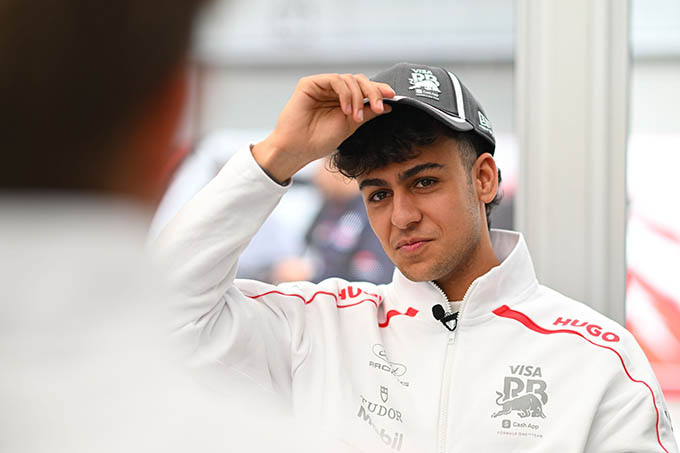
Age: 18. Nationality: British. Current series: Formula 1 (Racing Bulls).
Lindblad is the sole new entry among drivers for the 2026 Formula 1 season. At 17 years and 243 days old, he became the youngest winner of a Formula 2 race. This record was set during the 2025 Formula 2 sprint event in Saudi Arabia.
Rafael Camara
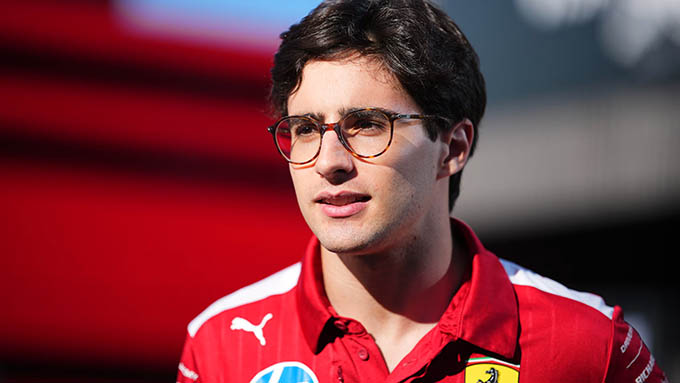
Age: 20. Nationality: Brazilian. Current series: FIA Formula 2 (Invicta Racing).
In 2025, Camara shone in F3. He scored five pole starts and won four feature races. This is the best performance by any F3 champion since the series relaunched in 2019. Camara is part of the Ferrari racing academy. His move to Invicta Racing will greatly help his chances for the 2026 championship.
Colton Herta
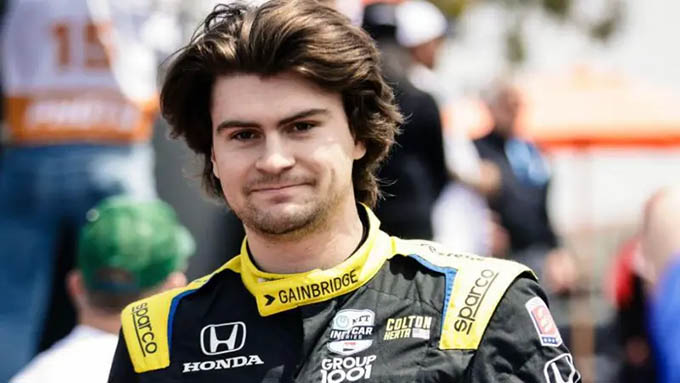
Age: 26. Nationality: American. Current series: FIA Formula 2 (Hitech).
Herta is a nine-time IndyCar winner and left a strong spot in the IndyCar Series. Now, he wants to earn the super license points he missed in 2023. Herta, the 2024 IndyCar runner-up, chose Hitech GP. This team wins every season in F2. He also joined Cadillac as a reserve and test driver.
Leonardo Fornaroli
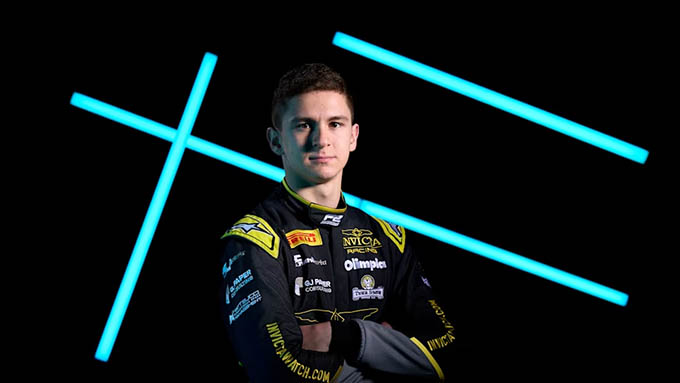
Age: 21. Nationality: Italian. Current series: Reserve Driver (McLaren).
The F2 champion also won F3 and F2 titles in back-to-back years. This achievement puts him alongside Charles Leclerc, George Russell, Oscar Piastri, and Gabriel Bortoleto. Three pole positions in F3, four race victories, and five more podium finishes in his debut season in the F2 championship. He was named reserve and test driver by McLaren in 2026.
Nikola Tsolov
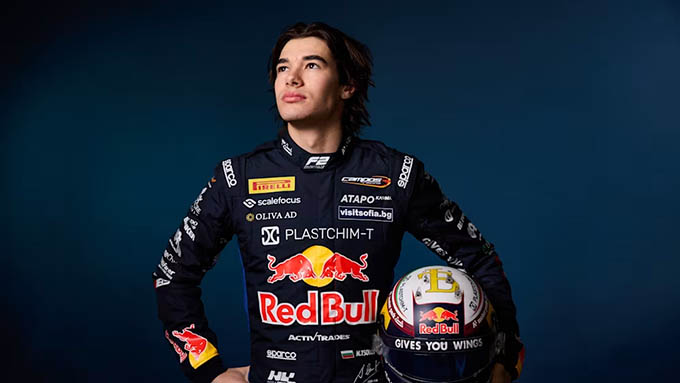
Age: 19. Nationality: Bulgarian. Current series: FIA Formula 2 (Campos Racing).
In 2025, Tsolov was a runner-up in F3, winning twice and standing on the podium six times. Tsolov had his first experience in F2 during the last two rounds of the championship, ending up on the podium in Abu Dhabi. As a Red Bull Junior, Tsolov is the only F2 driver of the team in 2026.
Sebastian Montoya
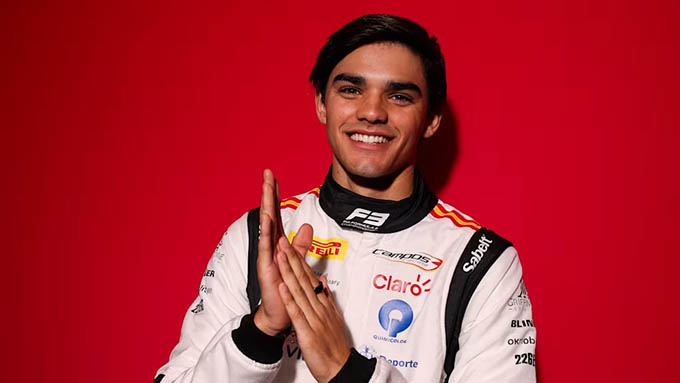
Age: 21. Nationality: Colombian. Current series: FIA Formula 2 (PREMA).
The racer was born to former seven-time Formula 1 racer Juan Pablo Montoya. Montoya continues his journey at the Ferrari Driver Academy. He returns to PREMA for another season in F2. It’s tough not to feel the pressure of his father’s legacy. He still has a long journey ahead at Ferrari and PREMA.
Freddie Slater
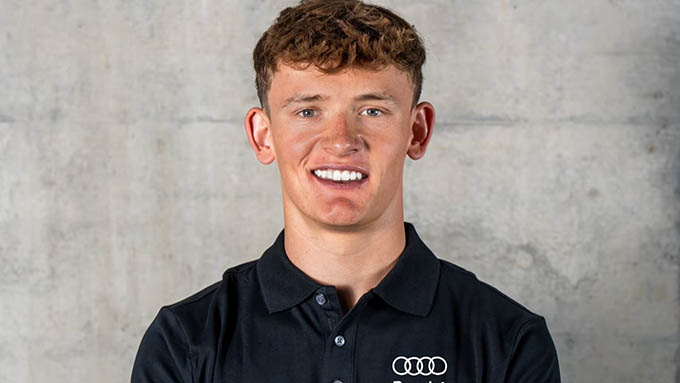
Age: 18. Nationality: British. Current series: FIA Formula 3 (Trident).
Audi signed the young man, Slater, as their first-ever driver for the junior F1 racing program. This choice shows they see great potential in him. He has won many awards in junior races like British F4 and European Formula Regional. Now, he races in F3 with the Trident team.
Who Could Reach Formula 1 Next?
With several F1 deals set to expire at the end of the year 2026, the stage will be set for graduating students. While there may be others, the three most probable include:
- Camara clinches the F2 championship with Invicta, and Ferrari selects him for 2027, especially in light of the ambiguity surrounding their second slot.
- Herta turns in a commendable performance in F2, and Cadillac, the second entrant into F1, taps him as an American icon for their marque.
- Tsolov proves himself well enough that Red Bull decides to broaden their roster of drivers beyond Lindblad and Hadjar.
The F2 circuit is now almost required. Since Lance Stroll in 2017, no driver has entered F1 without racing in F2 or GP2. Therefore, the 2026 F2 championship will be an audition for 2027 F1 positions.
FAQ
Who are the best young drivers in Formula 1 development?
The most promising prospects for 2026 include Arvid Lindblad, who is already racing in F1 for Racing Bulls; Rafael Camara, who is this year’s F3 Champion, competing in F2 for Invicta; and Leonardo Fornaroli, last year’s F2 Champion, acting as the reserve driver for McLaren.
How do drivers get into Formula 1?
The typical racing path starts with kart racing. Then, it moved to Formula 4, followed by Formula Regional, Formula 3, and finally Formula 2. You earn points for the FIA Super License as you progress. To race in F1, you need at least 40 points.
What are Formula 2 and Formula 3?
Formula 2 and Formula 3 are FIA single-seater races that act as the major feeders for Formula 1 racing. Formula 3 uses engines, which produce 380 bhp. Formula 2 cars use engines, which generate 620 bhp.